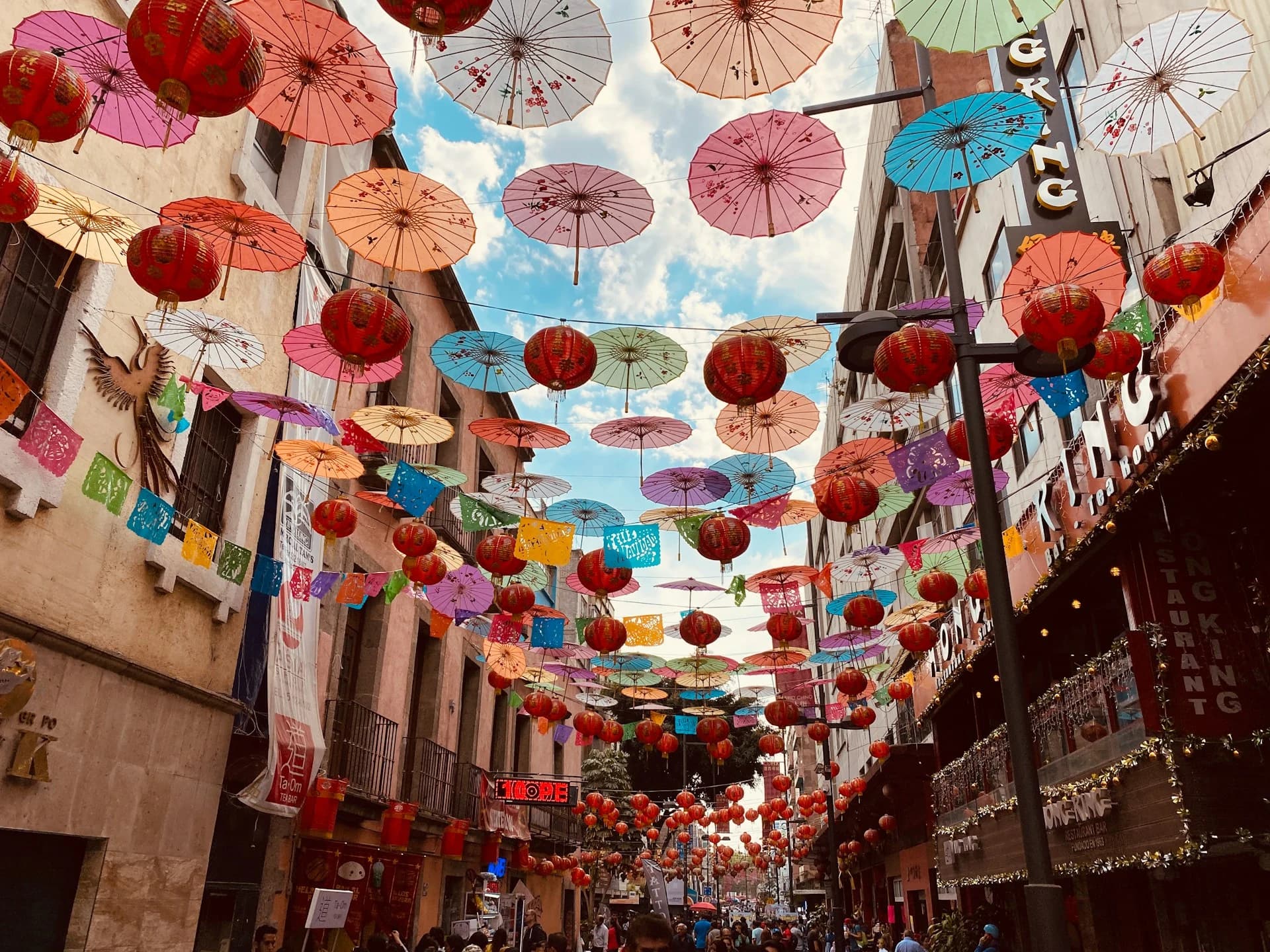
November opens with the busiest weekend of the Mexican year and then empties out into the best weather-to-price ratio on the calendar. Día de Muertos, a Grand Prix and the return of the dry season all land in the first days.
What You Should Know
- The first days of November are the traditional half of Día de Muertos, and they are quiet rather than spectacular. Families keep all-night candlelit vigils in the cemeteries of Mixquic and San Gregorio Atlapulco, with the night of 2 November the most powerful. The parades were in October.
- In 2026 the Formula 1 Mexican Grand Prix runs 30 October to 1 November, directly across the Day of the Dead weekend. Reporting describes that collision as making it the single busiest and most expensive weekend on the Mexico City calendar. F1 dates move each season, so check yours.
- After roughly 3 November the city empties and the dry season is established. What follows is arguably the best value on the calendar: dry, mild, clear weather at low-season prices, before December demand begins.
- The cold nights come back this month. Published lows run 6 to 7°C against October's 10°C, in a city with very little heating, so November is where the large daily temperature swing of the winter returns.
Is November a Good Time to Visit Mexico City?
| Is November a good time to visit? | |
|---|---|
| Best for | The traditional Day of the Dead, then dry-season weather at low-season prices |
| Expect | An extremely busy opening weekend, then a quiet, dry, mild month |
| Timing | 1 to 2 November for the vigils, or after the 3rd for value |
| Watch out for | The Día de Muertos and Grand Prix collision, and cold nights returning |
⭐ Our suggested November window: from roughly 5 November onward. The Day of the Dead crowds have gone, the rains are over, the dry season is established, and prices sit at their low before December demand starts. If the cemetery vigils are why you are coming, you need the 1st and 2nd instead and should book months ahead.
| Factor | November Rating |
|---|---|
| Weather | 9/10, dry, mild and clear once the rains have gone |
| Crowds | 6/10, extreme at the start, low for the rest |
| Prices | 6/10, peak on the opening weekend, then low season |
| Air Quality | 6/10, good, though winter inversions begin returning |
| Rain & Storms | 9/10, minimal, a stray shower at most |
| Día de Muertos | 10/10, the traditional observance on the 1st and 2nd |
| Pyramids & Day Trips | 9/10, dry ground and long clear views |
| Walking the City | 9/10, among the best walking weather of the year |
| Families | 8/10, easy weather, though cold early starts return |
| Couples | 9/10, quiet, clear and inexpensive after the first week |
💰 Illustrative November hotel rates (Roma Norte and Condesa, mid-range):
No November-specific band published
We did not find a November rate band we would stand behind, so we have not invented one. The shape is unusually clear though: the opening weekend is among the most expensive of the year, and the rest of the month is low season. Rates are for two people before taxes and fees and vary widely by property, dates and lead time. Check live prices for your own dates.
November is really two months wearing one name. The first three days are the loudest, fullest, most expensive stretch of the Mexican calendar, and in 2026 a Grand Prix lands on top of them. Everything after that is quiet, dry, clear and cheap.
Our planning recommendation is that both halves are excellent and you should choose deliberately rather than by accident. The opening is unrepeatable and needs booking months ahead. The remainder is the best combination of weather and price on the calendar, and almost nobody books it.
Día de Muertos on 1 and 2 November: The Traditional Half
Our Mexico City in October guide covers the parades, which happen in October. This is what the holiday itself looks like, and it is a different thing entirely.
Día de Muertos is observed on 1 and 2 November, and in Mexico City the heart of it is domestic and nocturnal rather than public and spectacular. Families build ofrendas at home, and on the night of 2 November they keep candlelit vigils in the cemeteries, decorating graves with marigolds, candles and food, often staying until dawn with music and meals at the graveside.
Where the vigils happen
The best-known are in the southern villages that the city absorbed but never quite urbanised. Mixquic, once a farming island of the Aztec empire and now part of the capital, holds the most celebrated of them, with San Gregorio Atlapulco nearby. On the afternoon of 1 November relatives gather at the tombs for la llorada, and after dark thousands of votive candles light the cemetery.
These are working religious observances rather than shows, and Mixquic in particular now draws almost as many onlookers as participants. If you go, go quietly and follow how people around you behave. Both villages sit in the far south near Xochimilco, so the logistics resemble a canal trip more than a night out in the Centro. Our Xochimilco guide covers getting into that part of the city.
The gentler version
You do not need to travel to a cemetery to see this. Ofrendas appear across the city in homes, museums, restaurants and public buildings, and Coyoacán and San Ángel in the south do the domestic tradition particularly well. Our Frida Kahlo Museum guide covers the Coyoacán side, which is the easiest introduction.
Our take: if you can only be here for one half of this, the October parades are more photogenic and the November vigils are more moving. They are four days apart and they are not substitutes for one another.
The Formula 1 Collision: Why the First Weekend Costs So Much
There is a scheduling clash in 2026 that is worth understanding before you look at hotel prices and conclude something has gone wrong.
The Formula 1 Mexico City Grand Prix runs 30 October to 1 November 2026 at the Autódromo Hermanos Rodríguez, with practice on the 30th, qualifying on the 31st and the race on Sunday 1 November. That places the entire race weekend directly across the Gran Desfile de Día de Muertos on 31 October and the holiday itself on 1 and 2 November.
Reporting on the 2026 calendar describes that overlap as making it the single busiest and most expensive weekend of the Mexico City year. Two very large events, one international and one national, are drawing on the same hotel stock at the same time.
What to do about it
If you want that weekend, book months rather than weeks ahead, and take both the accommodation and any race tickets early. One practical note from race-weekend coverage: staying somewhere on Metro Line 9 puts you on a direct run to the circuit at Ciudad Deportiva with no transfer, which from Roma Norte is a genuine advantage on race day.
If you do not want it, the fix is simple. Arrive on 3 November instead. The weather is identical, the city is empty by comparison, and the price difference across those few days is larger than any other gap in the calendar.
One caveat we would stress: Formula 1 sets its calendar season by season and the Mexican round has moved between late October and early November in recent years. The 2026 collision is a fact; do not assume it repeats. Check the race date for your own year alongside the city's Day of the Dead announcements.
Mexico City Weather in November
| Metric | November |
|---|---|
| Avg High | 20–23°C (68–73°F) |
| Avg Low | 6–7°C (43–45°F) |
| Rain Days | ~9, mostly light |
| Rainfall | ~20 mm (0.8 in) |
| Humidity | Falling toward the winter low |
| Season | Dry season established |
| Air Quality | Good, winter inversions beginning to return |
Temperature and Humidity
November days are mild, with published highs between 20 and 23°C depending on source. The change from October is at night: lows drop to around 6 to 7°C, and the winter pattern of warm afternoons and genuinely cold mornings re-establishes itself. In a city with very little domestic heating, that swing is the thing to pack for.
Rain Pattern
The rains are over. November totals around 20 mm, described as almost no rain beyond the occasional stray shower, against roughly 98 mm in October and 175 mm in June. The dry season is generally described as running from November through April, and November is where it takes hold.
Sky and Outdoor Conditions
This is where the long clear views of the winter begin. Air quality is still good, though the cool, still mornings that produce thermal inversions start to return late in the month, bringing back the dawn haze that our January and February guides cover. The afternoons stay clear.
Mexico City Crowds and Prices in November
November has the sharpest crowd cliff of any month in this series, and it falls within the first week.
1 to 3 November
Peak. Día de Muertos draws both domestic and international visitors, and in 2026 the Grand Prix lands on the same weekend. Accommodation across the Centro, Roma, Condesa, Juárez and Polanco tightens, and this is one of the few periods in the Mexico City year genuinely comparable to Christmas on price.
From roughly 5 November
The drop is abrupt. Domestic travel ends, the international Day of the Dead crowd leaves, and the northern-hemisphere winter wave has not begun. What remains is a dry, mild, clear month at low-season rates.
We would put it plainly: mid and late November offer close to January weather without January prices and without the Christmas or Reyes holiday inflation. It is the least-appreciated stretch of the Mexico City calendar.
Revolution Day
Día de la Revolución commemorates the start of the 1910 Revolution on 20 November and is a federal public holiday observed on the third Monday of the month. Banks and government offices close and there are civic events, though the effect on visitors is modest compared with September's Independence celebrations.
Prices
As with every month in this series, we have not published a rate band, because published Mexico City rate figures vary too widely between sources to compare month to month. The within-month shape is unusually clear though, and it is the one thing worth acting on: the opening weekend is among the year's most expensive, and the rest of the month is among its cheapest good-weather periods.
Best Things to Do in Mexico City in November
| Activity | November Rating | Best Time of Day | Notes |
|---|---|---|---|
| Día de Muertos vigils | 10/10 | Night of 2 Nov | Mixquic and San Gregorio Atlapulco; a religious observance, not a show |
| Walking tours of the Centro | 9/10 | Mid-morning | Among the best walking weather of the year |
| Teotihuacán pyramids | 9/10 | Late morning | Dry ground and long views; cold at opening |
| Bike tours | 9/10 | Morning | Dry roads and clear air; Sunday Reforma closures still run |
| Chapultepec Castle | 9/10 | Late morning | The terrace views return with the dry season |
| Hot air balloon over Teotihuacán | 9/10 | Sunrise | Far better odds than the wet season; cold in the basket |
| Food and market tours | 9/10 | Midday | Ofrenda season in the markets through the first week |
| Frida Kahlo Museum and Coyoacán | 9/10 | Any | One of the best neighbourhoods for ofrendas; book ahead for the 1st and 2nd |
| Lucha libre | 9/10 | Evening | Indoor arena; the walk there is getting cold again |
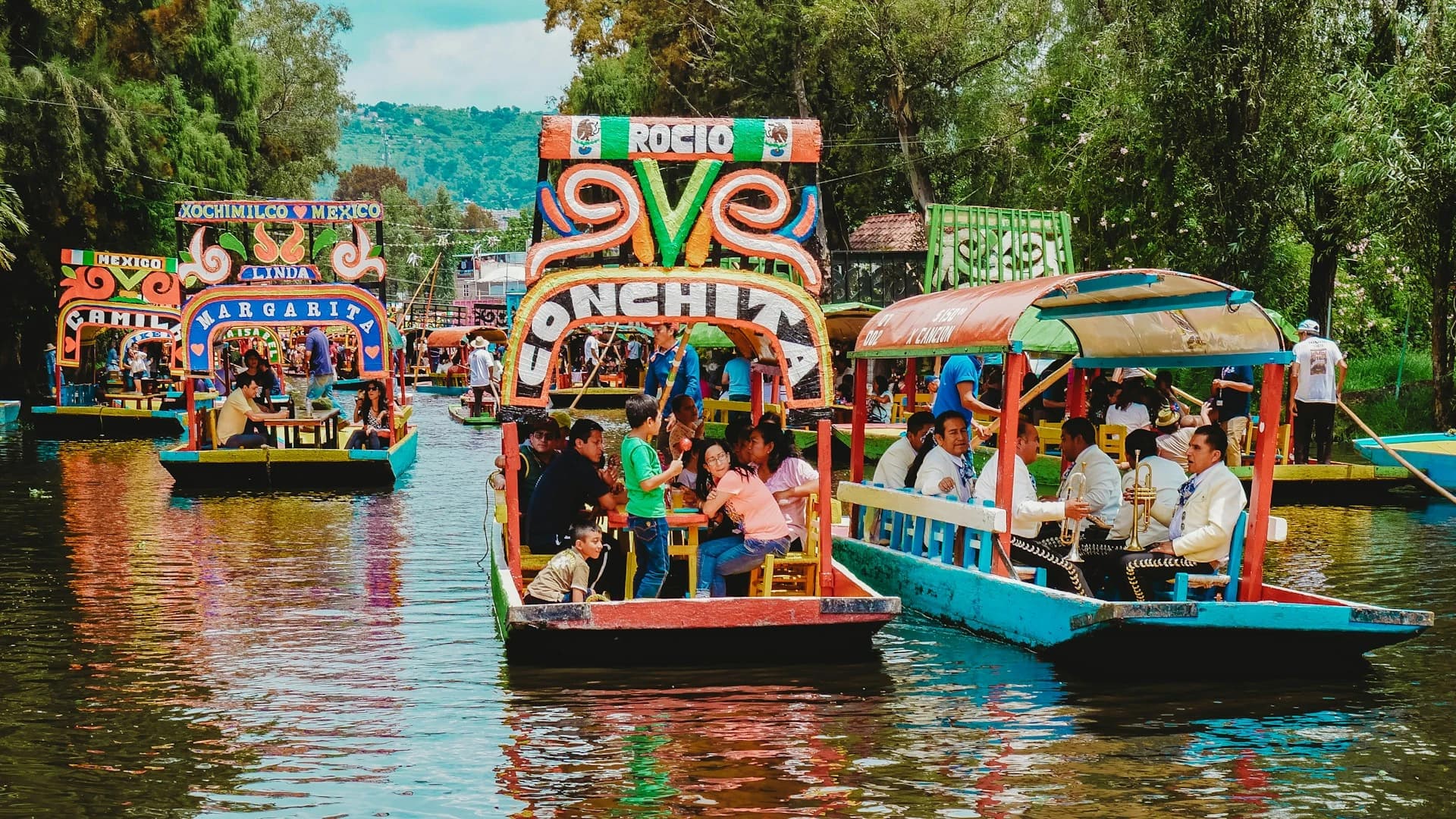
| Xochimilco trajineras | 8/10 | Midday | Dry and clear, though open boats are cold early and late |
| Grutas de Tolantongo | 9/10 | Full day | Hot springs improve as the nights get colder |
| Puebla and Cholula | 9/10 | Full day | Volcano views return with the dry season |
What November is particularly good for
Two quite different things. The first days offer the most affecting version of Día de Muertos available anywhere, and the rest of the month offers the best weather-to-price ratio on the calendar.
From the second week, everything that depends on dry ground and a long sightline comes back: the pyramids, the balloon flights, the Puebla volcanoes, the Chapultepec terraces. Our take: if someone wanted our single recommendation for value across the whole year, it would be the middle two weeks of November, and it would not be close.
More Things to Do in Mexico City in November
- Cemetery vigils at Mixquic and San Gregorio Atlapulco: the traditional heart of Día de Muertos, on the night of 2 November, in the far south of the city.
- Ofrendas in Coyoacán and San Ángel: the domestic version of the tradition, and far easier to reach than the southern villages.
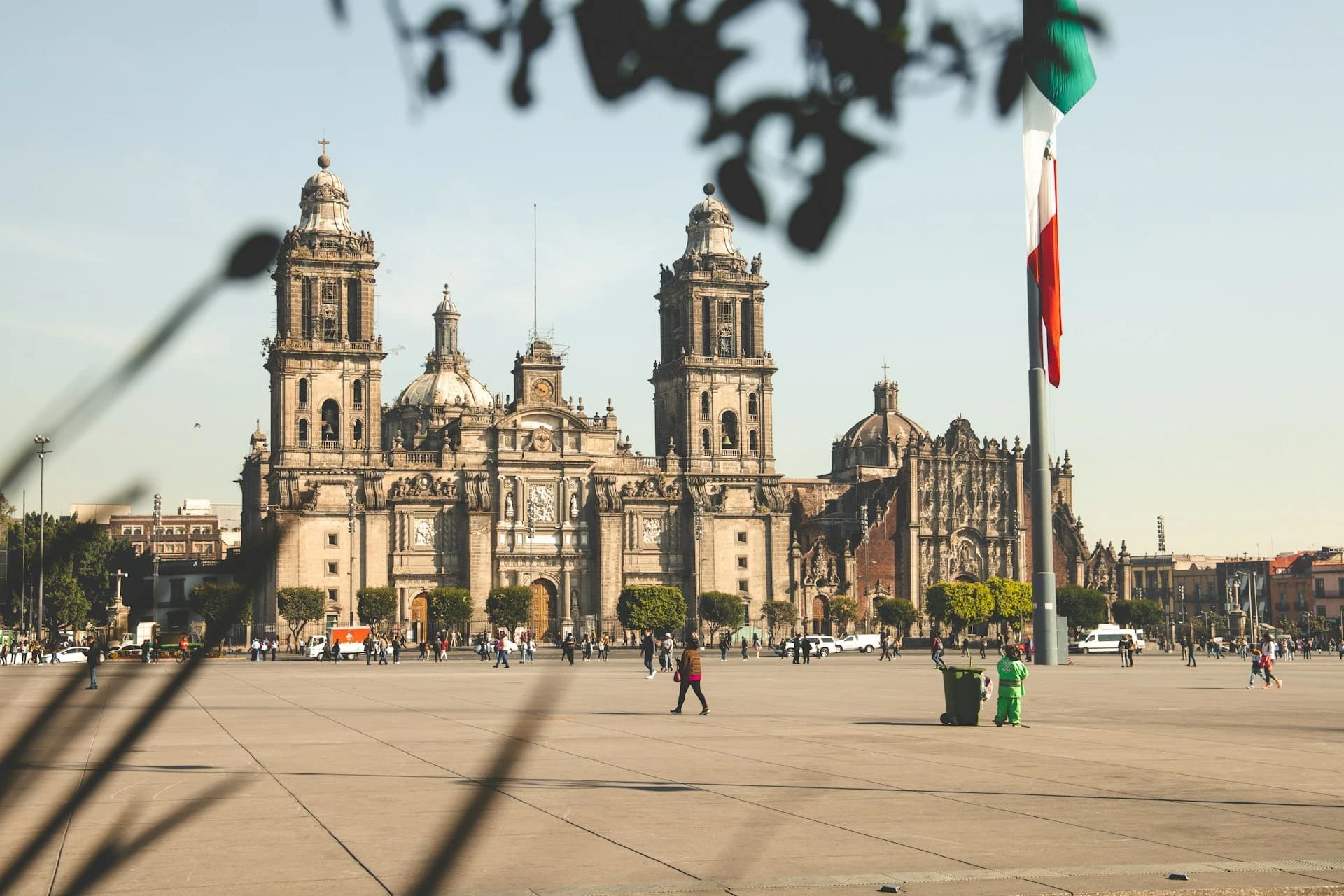
- The Mega Ofrenda in the Zócalo: installed for the season and still standing into the first days of November.
- Mercado de Jamaica: the flower market at the tail of the marigold season.
- Museo Nacional de Antropología: always worth a half-day, and no longer the wet-weather fallback it is in summer.
- Revolution Day civic events: around the third Monday of the month, marking the 1910 Revolution.
Our Take
The most useful thing we can tell you about November is that arriving on the 3rd instead of the 31st changes almost nothing about the weather and nearly everything about the price. Unless the vigils or the Grand Prix are specifically why you are coming, shift your dates a few days later and spend the difference on the trip.
Tips for Visiting Mexico City in November
- Decide whether you want the opening weekend or not: 31 October to 2 November is the busiest and most expensive stretch of the Mexican year, and in 2026 the Grand Prix runs across it.
- Book months ahead if you do: accommodation and race tickets both, and stay on Metro Line 9 for a direct run to the circuit.
- Check the F1 date for your year: the Mexican round has moved between late October and early November in recent seasons, so the 2026 collision is not guaranteed to repeat.
- Arrive from the 5th for the best value on the calendar: dry, mild, clear weather at low-season rates, before December demand starts.
- Pack for cold mornings again: lows of 6 to 7°C in a city with little heating, after October's 10°C.
- Treat the vigils as a religious observance: Mixquic draws large numbers of onlookers, so go quietly and take your lead from the families around you.
- Consider Coyoacán instead of the southern villages: the ofrendas there give you the tradition without the late-night trip to the far south.
- Book Frida Kahlo Museum tickets well ahead for the 1st and 2nd: Coyoacán is at its busiest across those days.
- Take advantage of the returning views: the pyramids, the Puebla volcanoes and the Chapultepec terraces all improve as the dry season establishes.
- Visiting at a different time of year? Our Mexico City in December guide covers the driest month, the Guadalupe pilgrimage and the holiday peak, and our Mexico City in October guide covers the Day of the Dead parades.
How We Put This Guide Together
Weather figures are climate normals rather than a forecast: average high, average low, rain days and rainfall total for November in Mexico City, compared across several published climate references including Weather Atlas, Climates to Travel, Holiday Weather and Current Results, reviewed on 24 September 2026. Sources disagree somewhat on the average high, giving figures between 20 and 23°C, and on the low, giving 6 to 7°C, and we have published both ranges rather than picking one. Rainfall is consistently reported at around 20 mm, and the dry season is generally described as running from November through April. We have deliberately not published a November hotel rate band. Published Mexico City rate figures vary too widely between sources to compare month to month, which is why none of these month guides carries one. The within-month shape, an extremely expensive opening weekend followed by low-season rates, is drawn from reporting on the Day of the Dead and Grand Prix period rather than from a rate survey. Activity ratings are our own editorial judgement, scored out of 10 on one question only: how much do November conditions help or hinder this specific activity? They weigh rainfall, temperature, visibility, air quality and crowding. They are not quality ratings for the operators, and they are not derived from reviews. Tour prices, ratings, review counts, durations and operating days were read from the operator listings on 24 September 2026 and may change. One tour is priced in pesos and was converted at the published rate the booking page uses, so the checkout figure may differ slightly. Día de Muertos observance details, including the all-night cemetery vigils at Mixquic and San Gregorio Atlapulco, la llorada on the afternoon of 1 November and the grave decoration with marigolds and candles, come from travel and cultural reporting on the holiday rather than from any operator. Formula 1 dates for the 2026 Mexico City Grand Prix, given as 30 October to 1 November at the Autódromo Hermanos Rodríguez, come from published race calendars and race-weekend coverage, which is also the source for the characterisation of that weekend as the busiest and most expensive of the city's year and for the Metro Line 9 routing. F1 sets its calendar season by season and the Mexican round has moved between late October and early November, so confirm the date for your own travel year.
Frequently Asked Questions
Is November a good time to visit Mexico City?+
November is excellent, but it is really two months in one. The first three days are the busiest and most expensive of the Mexican year, covering Día de Muertos and, in 2026, the Formula 1 Grand Prix. From roughly the 5th onward the city empties into dry, mild, clear weather at low-season prices, which is arguably the best weather-to-price combination on the calendar.
What happens in Mexico City on 1 and 2 November?+
Día de Muertos itself, which is quieter and more domestic than the October parades. Families build ofrendas at home and keep all-night candlelit vigils in the cemeteries, decorating graves with marigolds, candles and food. The best-known vigils are at Mixquic and San Gregorio Atlapulco in the far south of the city, with the night of 2 November the most powerful. Relatives gather for la llorada on the afternoon of the 1st.
Is the Day of the Dead parade in November?+
No, the parades are in October. The Gran Desfile de Día de Muertos, the Mega Procesión de Catrinas and the Monumental Alebrijes Parade all fall in late October, and the 1st and 2nd of November are the traditional observance. Our October guide covers the parade dates. Booking November expecting a parade is the most common Day of the Dead planning mistake.
When is the Formula 1 Mexico City Grand Prix?+
In 2026 it runs 30 October to 1 November at the Autódromo Hermanos Rodríguez, with practice on the 30th, qualifying on the 31st and the race on Sunday 1 November. That places it directly across the Day of the Dead weekend, which reporting describes as making it the single busiest and most expensive weekend of the Mexico City year. F1 sets its calendar season by season, so confirm the date for your own year.
What is the weather like in Mexico City in November?+
Dry, mild and increasingly cold at night. Published average highs run 20 to 23°C (68 to 73°F) with lows of 6 to 7°C (43 to 45°F), and rainfall is around 20 mm, which is almost nothing beyond the odd stray shower. The dry season is generally described as running November through April, and November is where it takes hold.
Is November expensive in Mexico City?+
Only at the very start. The opening weekend is among the most expensive of the year, comparable to Christmas, because of the Day of the Dead and, in 2026, the Grand Prix. From roughly 5 November the city drops into low season, and the rest of the month offers close to January weather without January prices or the holiday inflation.
What is the best week to visit Mexico City in November?+
Anything from roughly 5 November onward, unless the cemetery vigils or the Grand Prix are specifically why you are coming. The crowds have gone, the rains are over, the dry season is established and rates sit at their low before December demand begins. The weather difference between the 1st and the 10th is negligible; the price difference is not.
What activities are best in Mexico City in November?+
The Día de Muertos observance in the first days, and after that anything that depends on clear air and dry ground. Teotihuacán, the sunrise balloon flights, the Puebla day trip where the volcanoes become visible again, and the Chapultepec terraces all improve as the dry season establishes. It is also among the best walking and cycling weather of the year.
Affiliate note: Some links on this page are affiliate links. If you book through them, we may earn a small commission at no additional cost to you.