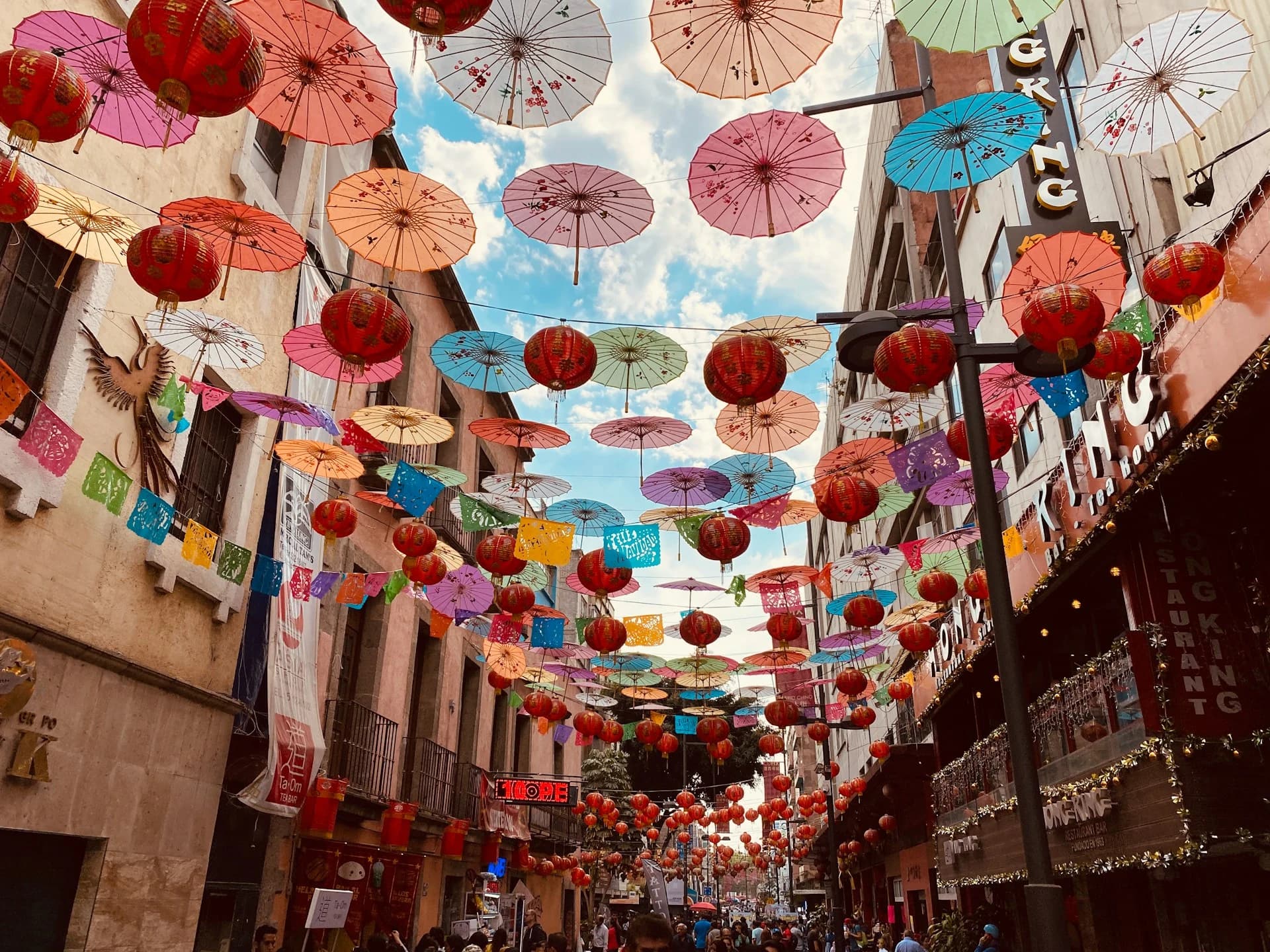
March is jacaranda month and the end of the monarch season, the warmest stretch of the dry season, and the point where Mexico City's prices, crowds and ozone levels all start climbing together.
What You Should Know
- March is the handover month. The jacaranda bloom that defines Mexico City in spring is usually at its best from mid-March, while the monarch colonies west of the city are winding down and generally start heading north from the middle of the month.
- This is where the cheap, quiet stretch ends. Published summaries describe March rates as rising from the February floor, with boutique hotels in Roma Norte and Condesa filling early, and one guide suggests booking by January for a room overlooking the trees.
- Air quality becomes a real consideration rather than a morning inconvenience. The ozone season is generally described as running from around mid-February to mid-June, with the dry-hot months of March to May producing the conditions that trigger environmental alerts.
- Semana Santa can land in March, and its dates move every year. Holy Week ends on Easter Sunday, which can fall anywhere from 22 March to 25 April, so check your specific year before booking: domestic travel demand rises sharply when it lands.
Is March a Good Time to Visit Mexico City?
| Is March a good time to visit? | |
|---|---|
| Best for | The jacaranda bloom, warm dry days, and the last chance at the monarch colonies |
| Expect | The warmest days of the dry season, milder mornings, and rising prices and crowds |
| Timing | Check whether Semana Santa falls in March in your year before fixing dates |
| Watch out for | Declining air quality as the ozone season builds, and rain days beginning to climb |
⭐ Our suggested March window: 10 to 20 March. The jacarandas are usually well underway by mid-month, the weather is at its warmest before the rains, and in most years this sits ahead of Semana Santa. If Holy Week falls early in your year, move earlier rather than later. Bloom timing shifts year to year, so treat this as a planning window rather than a guarantee.
| Factor | March Rating |
|---|---|
| Weather | 8/10, warmest dry-season days, rain days starting to rise |
| Crowds | 6/10, noticeably busier than February |
| Prices | 6/10, rising from the February floor |
| Air Quality | 3/10, ozone season building through the month |
| Jacarandas | 10/10, usually the peak of the bloom |
| Monarch Butterflies | 4/10, season closing, generally gone by late month |
| Pyramids & Day Trips | 8/10, dry and warm, though haze can cut long views |
| Walking the City | 8/10, warm and comfortable, milder mornings than winter |
| Families | 7/10, easy weather, but check Semana Santa and air alerts |
| Couples | 8/10, the city at its most photogenic |
💰 Illustrative March hotel rates (Roma Norte and Condesa, mid-range):
Generally above the February baseline of ~$45–75/night, with Semana Santa weeks materially higher
We do not have a March-specific rate band we would stand behind, so we have not invented one. Published summaries describe March prices as rising from February's floor and boutique properties in these neighbourhoods filling early, but that is a direction rather than a figure. Rates are for two people before taxes and fees and vary widely by property, dates and lead time. Check live prices for your own dates.
March is the month Mexico City is at its most photographed and its least comfortable to breathe. Those two facts are connected: the same dry, still, warming conditions that bring the jacarandas out are the conditions that let ozone build in the valley.
Our planning recommendation is that March suits people coming for the city itself rather than for the day trips. The bloom is genuinely worth planning around, and the walking weather is warm without being hot. But the value case that makes January and February easy to recommend is gone, and anyone sensitive to air quality should weigh this month more carefully than the two before it.
Mexico City Weather in March
| Metric | March |
|---|---|
| Avg High | 24°C (75°F) |
| Avg Low | 10°C (50°F) |
| Rain Days | ~3–7 |
| Rainfall | ~13 mm (0.5 in) |
| Humidity | Low, around 44% |
| Sunshine | High, with reduced cloud cover |
| Air Quality | Declining, ozone season building |
Temperature and Humidity
March is the warmest month of the dry season, with highs around 24°C and lows near 10°C. Published normals cluster near 23.8°C for the high and 10°C for the low, though as with every month here the sources do not all use the same station or averaging period. The practical change from February is that the mornings are milder: the roughly 15-degree daily swing narrows, and the pre-dawn cold that defines January and February eases.
Humidity falls to around 44%, the annual low. The city is at its driest in the atmospheric sense even as the rain days begin to increase, which is the combination that drives both the jacaranda display and the ozone problem.
Rain Pattern
March sits at the end of the dry season and the figures reflect a transition rather than a clean break. One source reports about 7.3 rain days with roughly 13 mm of accumulated rainfall, which implies a number of trace days rather than real downpours; other summaries describe the month as largely dry with a continued decline in cloud cover. Either way the totals stay small, and the wet season proper does not arrive until later in the spring.
Sky and Outdoor Conditions
Cloud cover is low and sunshine is high, but visibility is a different question this month. What typically happens is that the still, dry conditions that keep the sky clear also let haze accumulate, so the crisp long views of January are less dependable even on a cloudless day. Plan view-dependent activities for the late morning onward, as in the winter months, and set expectations lower than the forecast alone suggests.
Mexico City Crowds and Prices in March
March is the first month of the up-cycle. Two events drive it, and one of them moves every year.
Semana Santa: check your year first
Holy Week ends on Easter Sunday, which can fall anywhere between 22 March and 25 April, so in some years Semana Santa sits inside March and in others it does not. In 2027, for example, it runs 21 to 28 March. Reporting on Mexican travel around these dates describes national demand rising sharply, with one estimate putting the increase around 40%, so book transport well ahead.
What that national figure does not tell you is what happens in the capital itself, and the pattern is the opposite of the coast. Reporting on Mexico City during Semana Santa describes residents leaving for their hometowns and the beaches, with lighter traffic and easier access to restaurants and museums. Roads, airports and terminals are busy on either side of the week, but the days in between are generally calmer here. Our Mexico City in April guide covers that inversion in full.
This is the single biggest variable in March planning, and it is not something a guide can settle for you. Check the Easter date for your travel year before you fix anything else, and note that its effect on the capital is different from its effect on a beach town.
The Benito Juárez long weekend
The third Monday of March is a public holiday marking Benito Juárez's birthday, producing a domestic three-day weekend. As with Constitution Day in February, expect busier streets and sites rather than a major pricing event, though it compounds if it falls near Semana Santa.
Jacaranda and spring-break demand
Outside those, March carries a general lift. Published summaries describe rates rising from the February floor and note that boutique hotels in Roma Norte and Condesa fill early, with one guide suggesting a January booking for a room with a view of the trees. Northern-hemisphere spring break adds to this. The result is that March is still moderate by peak-season standards but is no longer the bargain the two preceding months are.
Jacarandas in March: The Bloom Mexico City Is Known For
The jacaranda bloom is the reason many people choose March, and it is the one seasonal draw where March is the strongest month of the year rather than a compromise.
Published accounts of the timing vary, which we noted in our February guide and which matters just as much here. The season is variously described as running late February to early May, as peaking in March, and as being at its best from mid-March into April. The consistent thread across sources is that March is the core of it, with the first half building and the second half usually at or near full bloom.
Several sources also note that flowering has arrived earlier in recent years, with blooms appearing as soon as January and February, a shift reported in connection with changing weather patterns in the city. The practical consequence is that the bloom is not a fixed calendar event. A mid-March booking is the highest-probability choice, not a guarantee.
Where the trees are
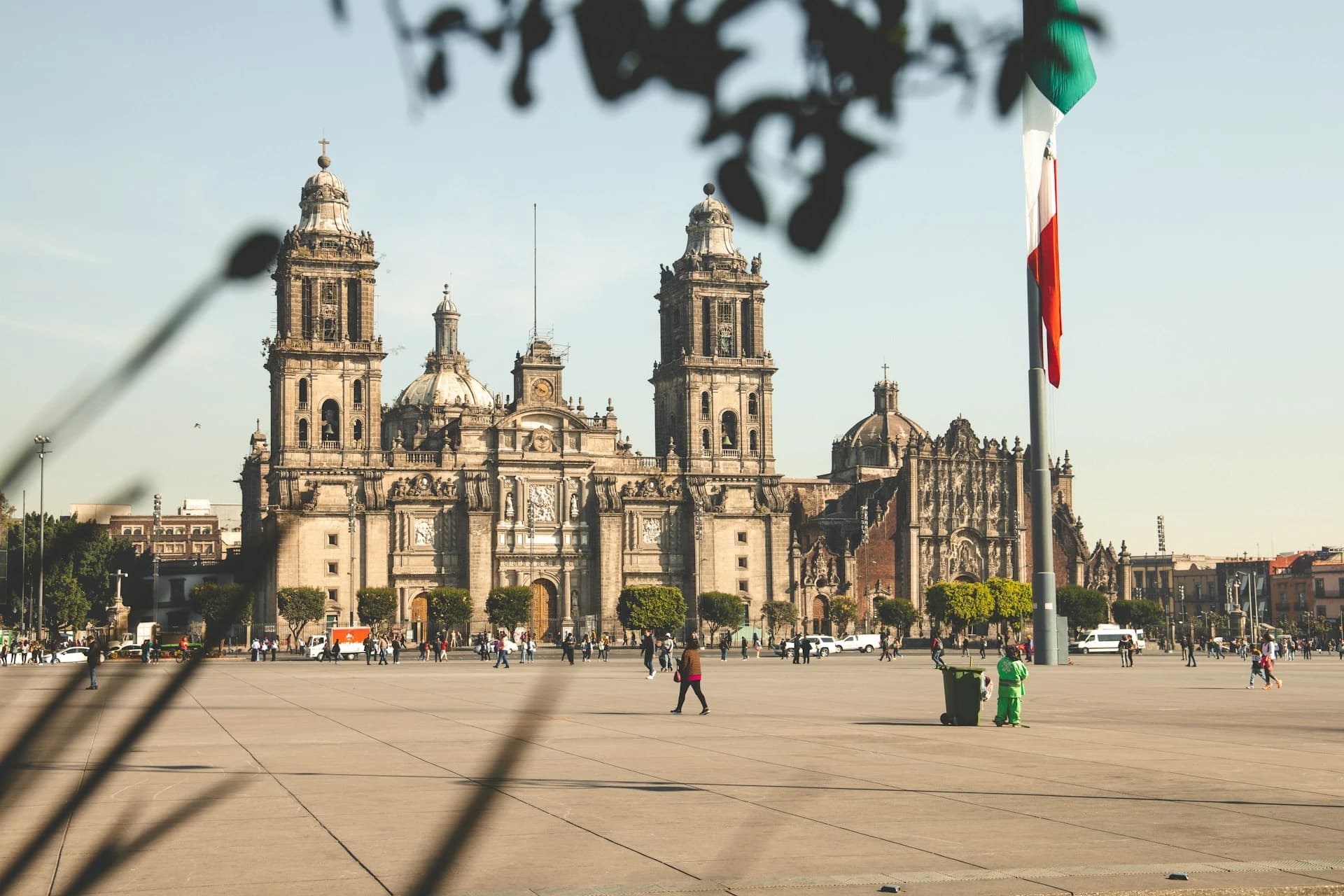
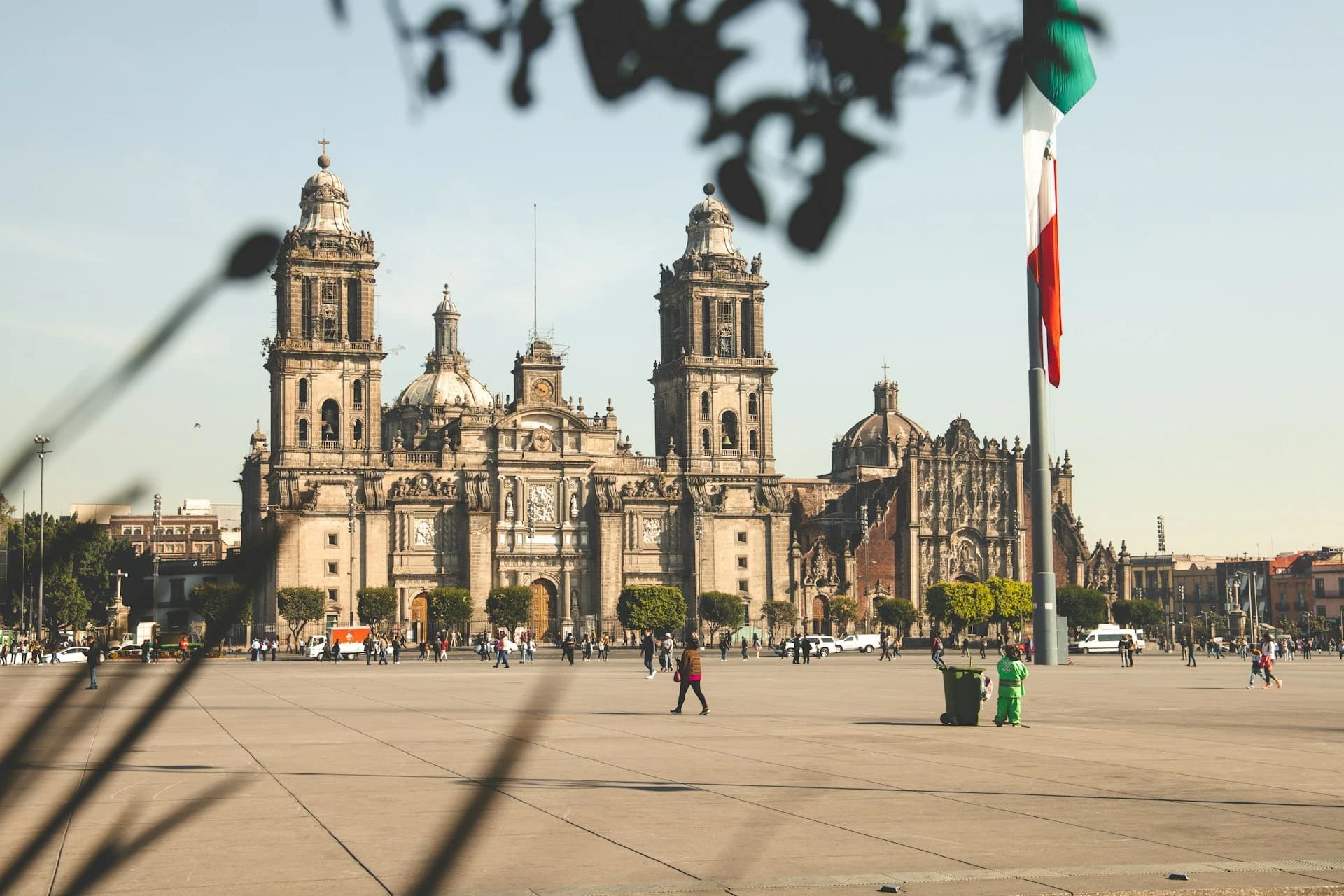
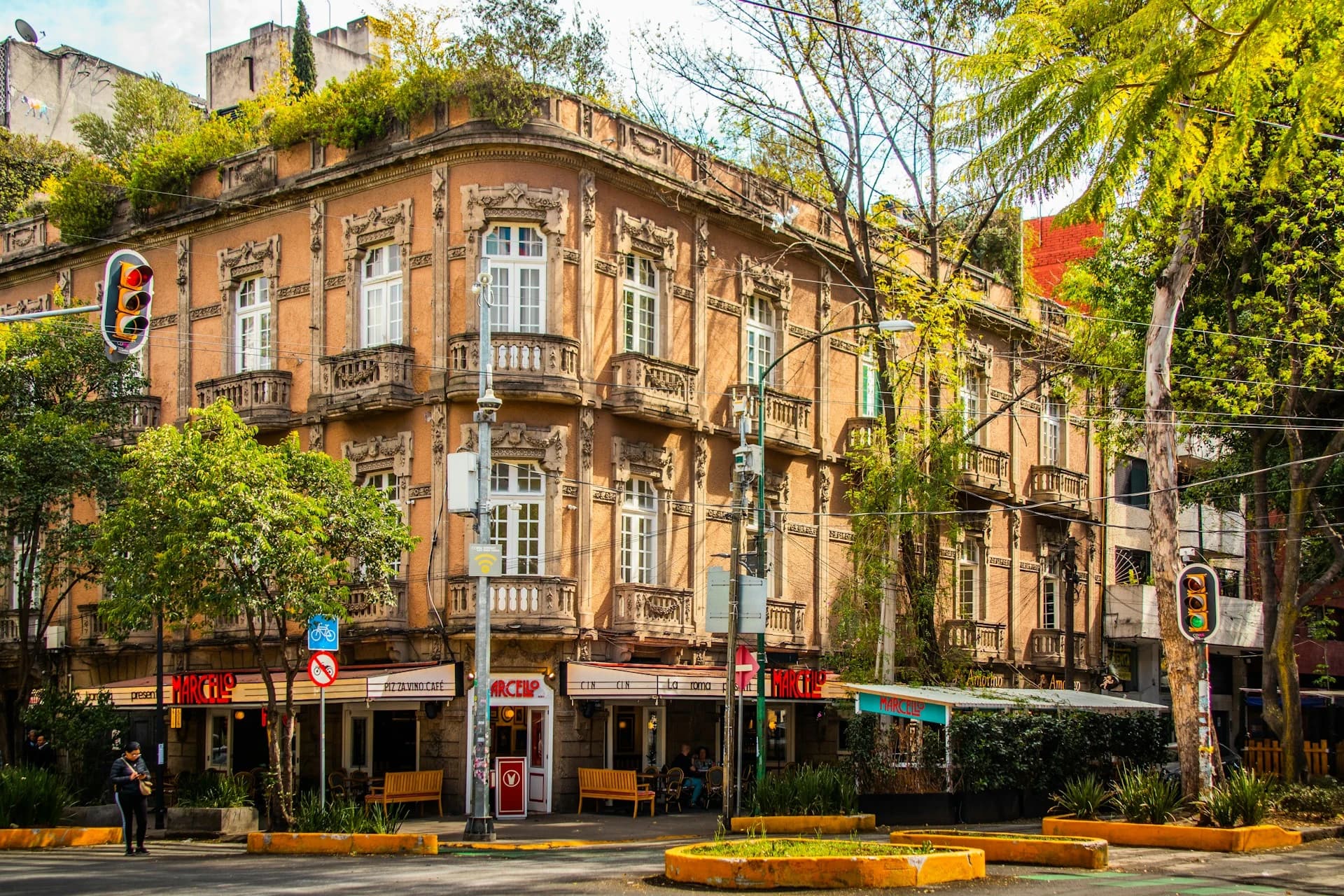
The concentrations most worth planning around are Paseo de la Reforma, the Centro Histórico, Chapultepec, and the residential streets of Condesa, Coyoacán and Polanco. Because the trees line streets rather than sitting in one park, the bloom is something you walk or cycle through rather than visit, which is why March favours the city itself over the day trips.
Our take: if the jacarandas are the reason for the trip, book March and accept the tradeoffs that come with it, which are higher rates, more people and the worst air of the three months we have covered so far. If they are a bonus, February costs less and asks less.
Monarch Butterflies in March: The Season Ends
March is the last month the monarch sanctuaries are worth attempting, and only the first part of it.
Conservation and travel sources generally describe the overwintering season as running from around November to mid-March. By mid to late March the butterflies are looking for the air currents that carry them north, and the colonies that defined January and February are dispersing. Early March can still deliver a worthwhile visit, with mating activity and butterflies in flight rather than the dense clusters of midwinter, but the window is closing and it closes unevenly from year to year with the weather.
We would not book a March trip around the butterflies. If they are the priority, our guides to Mexico City in January and Mexico City in February cover the months where the colonies are reliably there. If you are already coming in early March for the jacarandas and want to try, treat it as a bonus and book a tour with free cancellation.
The logistics are unchanged: the sanctuaries are in Michoacán and the State of Mexico rather than in the city, the tours we compared run around 12 hours door to door, and the colonies sit above 3,000 metres with an uphill walk to reach them.
Mexico City in March: Air Quality and the Ozone Season
This is the section that separates March from the two months before it. In January and February the air-quality issue is morning haze from thermal inversions that generally clears as the day warms. In March the mechanism changes.
The ozone season in Mexico City is generally described as running from around mid-February to mid-June. The dry-hot months of March to May combine low humidity, weak winds and strong sunshine in a high-altitude basin, which are the conditions under which ozone forms. Reporting on the city's air describes ozone episodes as most common late in the dry season, with April and May typically worst, and notes that Phase 1 environmental alerts have in recent years been declared earlier than they once were.
What this means for a visitor is more practical than alarming. March is not the worst month, but it is the month where the trend turns, and where an environmental contingency becoming active during your stay stops being unlikely. Alerts can restrict vehicle circulation, which has knock-on effects for tours and transfers.
We would suggest three things. Check the city's air quality index during your stay rather than assuming a clear sky means clean air, since ozone is invisible. Schedule strenuous outdoor activity, and particularly anything uphill at altitude, for the morning rather than the afternoon when ozone peaks. And if anyone in your group has asthma or a respiratory condition, weigh March against January or February rather than treating the three as interchangeable dry-season months.
Best Things to Do in Mexico City in March
| Activity | March Rating | Best Time of Day | Notes |
|---|---|---|---|
| Jacaranda walking and cycling | 10/10 | Morning | Usually peak from mid-month; Reforma, Condesa, Coyoacán |
| Walking tours of the Centro | 9/10 | Mid-morning onward | Warm, dry, milder mornings than winter |
| Bike tours | 9/10 | Morning | The bloom is best seen at street level; avoid afternoon ozone peak |
| Food and market tours | 9/10 | Midday | Unaffected by season |
| Frida Kahlo Museum and Coyoacán | 9/10 | Any | Coyoacán is among the best jacaranda neighbourhoods; closed Mondays |
| Chapultepec Castle | 8/10 | Late morning | Jacarandas in the park; terrace views can be hazy |
| Xochimilco trajineras | 8/10 | Midday | Warmer than winter and more comfortable on an open boat |
| Teotihuacán pyramids | 8/10 | Late morning | Dry and warm; long views less dependable than midwinter |
| Hot air balloon over Teotihuacán | 8/10 | Sunrise | Milder basket temperatures; visibility more variable |
| Lucha libre | 8/10 | Evening | Indoor arena, unaffected by season |
| Puebla and Cholula | 7/10 | Full day | Volcano views less reliable than in midwinter haze-free spells |
| Grutas de Tolantongo | 7/10 | Full day | Still good, though hot springs suit cooler months better |
| Monarch butterfly sanctuaries | 4/10 | Early month only | Season ending; generally gone by late March |
What March is particularly good for
March inverts the priority of the winter months. In January and February the argument for the city is that it is a comfortable base for the pyramids, the sanctuaries and the hot springs. In March the city is the attraction, because the bloom happens along the streets you would walk anyway and cannot be seen from a tour bus window.
The day trips are all still perfectly good, they are simply no longer the best thing available. We would give the edge to anything on foot or on two wheels this month, and we would schedule it for the morning, both because the light is better for the trees and because ozone concentrations build through the afternoon.
More Things to Do in Mexico City in March
- Avenida Álvaro Obregón and the Condesa streets: the densest residential jacaranda display, and free to walk.
- Parque México and Parque España: the two Condesa parks at their best this month, and the easiest place to sit among the trees.
- Museo Nacional de Antropología: the indoor half-day worth keeping in reserve for an afternoon when the air is poor.
- Viveros de Coyoacán: a working tree nursery turned public park, and a quieter alternative to Chapultepec in bloom season.
- Spring equinox at Teotihuacán: around 20 March the site draws large domestic crowds for the equinox, which is either the appeal or the reason to pick a different day.
- Valle de Bravo: the lakeside town near the Piedra Herrada sanctuary, worth a night in early March if you are chasing the last of the butterflies.
Our Take
March asks you to accept a trade that January and February do not. You are paying more, sharing the city with more people and breathing worse air, and the jacarandas are the only thing on the other side of that ledger. If the bloom matters to you it is a fair trade, and if it does not, the month before is strictly better value.
Tips for Visiting Mexico City in March
- Check the Easter date for your travel year before anything else: Semana Santa can fall anywhere from late March to late April. National travel demand rises sharply, so book transport early, but the capital itself generally gets quieter rather than busier during the week.
- Aim at mid-March for the bloom: published accounts put the peak from mid-March into April, with the first half of the month building. Timing shifts year to year, so book refundable if the trees are the point.
- Book accommodation earlier than you would for February: boutique properties in Roma Norte and Condesa are described as filling early for March, and a street-facing room in those neighbourhoods is the bloom seen from your window.
- Do not book March for the monarchs: the season generally ends around mid-March and the colonies disperse unevenly. Early March can work as a bonus, but book with free cancellation.
- Treat air quality as a daily variable: check the city's index rather than the sky, since ozone is invisible and a clear day can still be a poor-air day.
- Schedule exertion for the morning: ozone builds through the afternoon, so uphill walking and cycling are better earlier in the day.
- Know what an environmental contingency means for you: Phase 1 alerts can restrict vehicle circulation, which affects transfers and day tours more than anything you do on foot.
- Pack lighter than for the winter months: mornings near 10°C are noticeably milder than January's 6°C, though a layer is still worth having after sunset.
- Avoid Teotihuacán around 20 March if crowds bother you: the spring equinox draws large domestic numbers to the site.
- See the bloom at street level: the trees line avenues and residential streets rather than sitting in one place, so walking and bike tours show it better than any vehicle.
- Visiting at a different time of year? Our Mexico City in April guide covers the month after, including the Semana Santa inversion, and our Mexico City in February guide covers the cheaper, quieter month before.
How We Put This Guide Together
Weather figures are climate normals rather than a forecast: average high, average low, rain days, rainfall total and humidity for March in Mexico City, compared across several published climate references including Weather Atlas, Climate-Data, Climates to Travel and Weather2Travel, reviewed on 24 September 2026. Sources cluster near 23.8°C for the average high and 10°C for the average low, but disagree on rain days, with one reporting about 7.3 and others describing the month as largely dry. We have given a range in the table and explained the disagreement in the text rather than presenting any one source as definitive. We have deliberately not published a March hotel rate band. Published summaries describe March prices as rising from February's floor and boutique properties in Roma Norte and Condesa filling early, but we did not find a March-specific figure we would stand behind, and inventing one would be worse than leaving the gap visible. The February baseline is given as a reference point only. Check live rates for your own dates. Activity ratings are our own editorial judgement, scored out of 10 on one question only: how much do March conditions help or hinder this specific activity? They weigh visibility, rain probability, air quality, temperature, and whether a seasonal window is open or closed. They are not quality ratings for the operators, and they are not derived from reviews. Tour prices, ratings, review counts, durations and operating days were read from the operator listings on 24 September 2026 and may change. One tour is priced in pesos and was converted at the published rate the booking page uses, so the checkout figure may differ slightly. Jacaranda bloom timing is drawn from local reporting including Mexico News Daily, which documents both the conventional March peak and the earlier blooms recorded in recent years; the timing genuinely varies year to year. Monarch season end dates come from conservation and travel sources independent of any operator, including National Geographic and Mexperience. Air-quality statements, including the ozone season window and the pattern of environmental alerts, are drawn from published reporting and research on Mexico City air quality rather than from any operator, and conditions vary year to year. Semana Santa dates were checked against published Mexican calendars for 2027; verify the date for your own travel year.
Frequently Asked Questions
Is March a good time to visit Mexico City?+
March is the best month for the jacaranda bloom and the warmest of the dry season, with highs around 24°C and milder mornings than midwinter. The tradeoffs are real: prices and crowds rise from the February floor, the monarch season ends partway through, and air quality declines as the ozone season builds. If the bloom matters to you it is worth it. If not, February offers similar weather for less.
What is the weather like in Mexico City in March?+
Warm and dry by day with milder mornings than January or February. Average highs sit near 24°C (75°F) and lows near 10°C (50°F), with humidity around 44%, the annual low. Rain figures disagree by source: one reports about 7.3 rain days with roughly 13 mm total, while others describe the month as largely dry with declining cloud cover. Either way, totals stay small.
When do the jacarandas bloom in Mexico City?+
March is the core of the season, though the timing moves. Published accounts describe the bloom as spanning late February to early May, peaking in March, and being at its best from mid-March into April. Several note that flowering has arrived earlier in recent years, with blooms appearing in January and February. Mid-March is the highest-probability window rather than a guarantee, so book refundable if the trees are the reason for your trip.
Is the air quality bad in Mexico City in March?+
It declines through the month, and the mechanism differs from winter. Rather than morning haze from thermal inversions, March sits inside the ozone season, generally described as running from around mid-February to mid-June. The dry-hot months of March to May combine low humidity, weak winds and strong sunshine to form ozone, which is invisible. April and May are typically worse, but March is where the trend turns, so check the city's air quality index during your stay and schedule strenuous outdoor activity for the morning.
Can you still see monarch butterflies in March?+
Only early in the month, and not reliably. The overwintering season is generally described as running to around mid-March, after which the butterflies begin moving north and the colonies disperse. Early March can still deliver a worthwhile visit, but we would not book a trip around it. January and February are the months where the colonies are reliably in place.
Does Semana Santa fall in March in Mexico City?+
Sometimes. Holy Week ends on Easter Sunday, which can fall anywhere between 22 March and 25 April, so it lands in March in some years and April in others. In 2027 it runs 21 to 28 March. Reporting on Mexican travel around these dates describes demand rising sharply, with one estimate around 40%, so check the Easter date for your travel year before fixing anything else.
Is March expensive in Mexico City?+
It is more expensive than February, though still moderate by peak-season standards. Published summaries describe rates rising from the February floor, with boutique hotels in Roma Norte and Condesa filling early. We have not published a March rate band because we did not find a figure we would stand behind. Semana Santa weeks, when they fall in March, are materially higher than the rest of the month.
What activities are best in Mexico City in March?+
Anything at street level. The jacarandas line avenues and residential streets in Reforma, the Centro, Condesa, Coyoacán and Polanco, so walking and bike tours show the bloom far better than any vehicle. The day trips all still work, but they are no longer the best thing on offer, and we would schedule outdoor exertion for the morning because ozone builds through the afternoon.
Affiliate note: Some links on this page are affiliate links. If you book through them, we may earn a small commission at no additional cost to you.